Living in the Spotlight: The Untold Reality of Social Media Influencers
In today’s digital era, social media influencers have become some of the most recognizable personalities on the internet. Millions of people follow their lifestyles, fashion choices, travel adventures, fitness routines, and daily activities. To many, their lives appear glamorous, exciting, and effortless. However, behind every perfectly edited photo and viral video lies a world of hard work, creativity, pressure, and constant adaptation. Being a successful influencer is far more demanding than simply posting content online.
The Rise of the Influencer Economy
The influencer industry has transformed into a multi-billion-dollar ecosystem where creators collaborate with brands to promote products and services. Influencers act as trusted voices within their communities, helping businesses connect with highly engaged audiences. Whether in fashion, technology, beauty, fitness, or travel, influencers have become powerful marketing assets capable of shaping consumer decisions and trends worldwide.
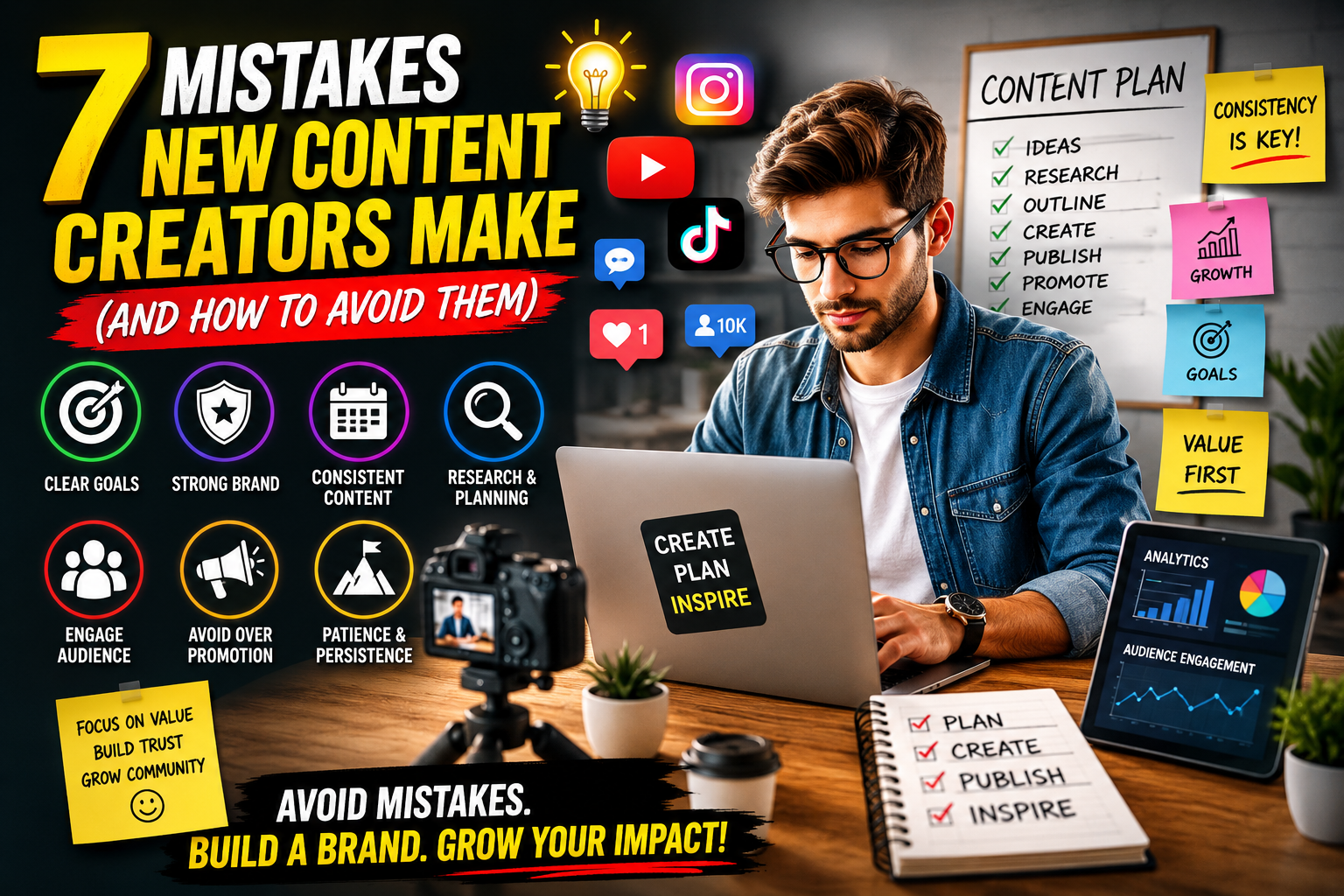
As competition continues to grow, creators must constantly innovate and stay ahead of industry changes. Success now requires more than a large following—it demands authenticity, expertise, and a strong personal brand.
The Never-Ending Content Creation Process
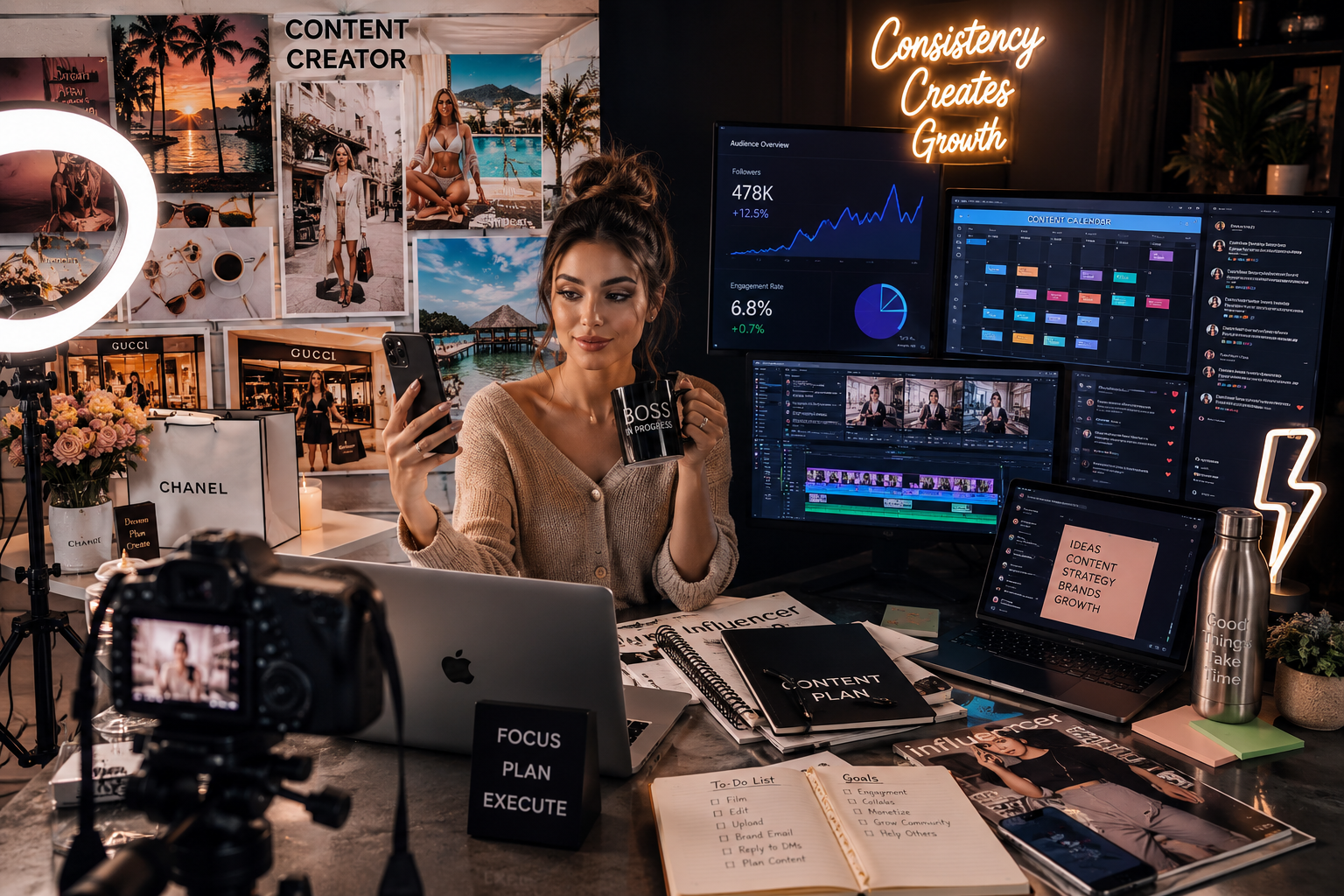
One of the biggest misconceptions about influencers is that their work only involves taking photos and recording videos. In reality, content creation is a full-time job that includes planning, filming, editing, writing captions, researching trends, engaging with followers, and analyzing performance metrics.
Many influencers spend hours perfecting a single post to ensure it resonates with their audience. The demand for consistent content across multiple platforms such as Instagram, TikTok, YouTube, Facebook, and X creates a relentless cycle that can quickly become overwhelming.
The Hidden Pressure Behind the Screen
While influencers often showcase their best moments, they also face immense pressure to remain relevant. Social media algorithms constantly evolve, making it difficult to maintain visibility and engagement. A sudden drop in reach can significantly impact income and brand partnerships.
The pressure to consistently perform can lead to stress, anxiety, and burnout. Many creators struggle with balancing their online careers and personal lives, often feeling compelled to stay connected 24/7.
Dealing with Online Criticism and Harassment
Influencers are public figures, which makes them vulnerable to criticism, negativity, and online harassment. From hateful comments to cyberbullying, many creators face challenges that can affect their mental health.
Successful influencers develop strategies to manage negativity, including moderation tools, community guidelines, and mental wellness practices. Learning how to separate constructive feedback from toxic criticism becomes an essential skill for long-term success.
Authenticity: The Foundation of Influence
Modern audiences value honesty more than perfection. The most successful influencers build trust by sharing real experiences, personal stories, and behind-the-scenes moments. Authenticity creates deeper emotional connections and encourages stronger audience loyalty.
Followers are increasingly drawn to creators who openly discuss their struggles, failures, and growth journeys rather than presenting an unrealistic image of perfection.
Building a Powerful Personal Brand
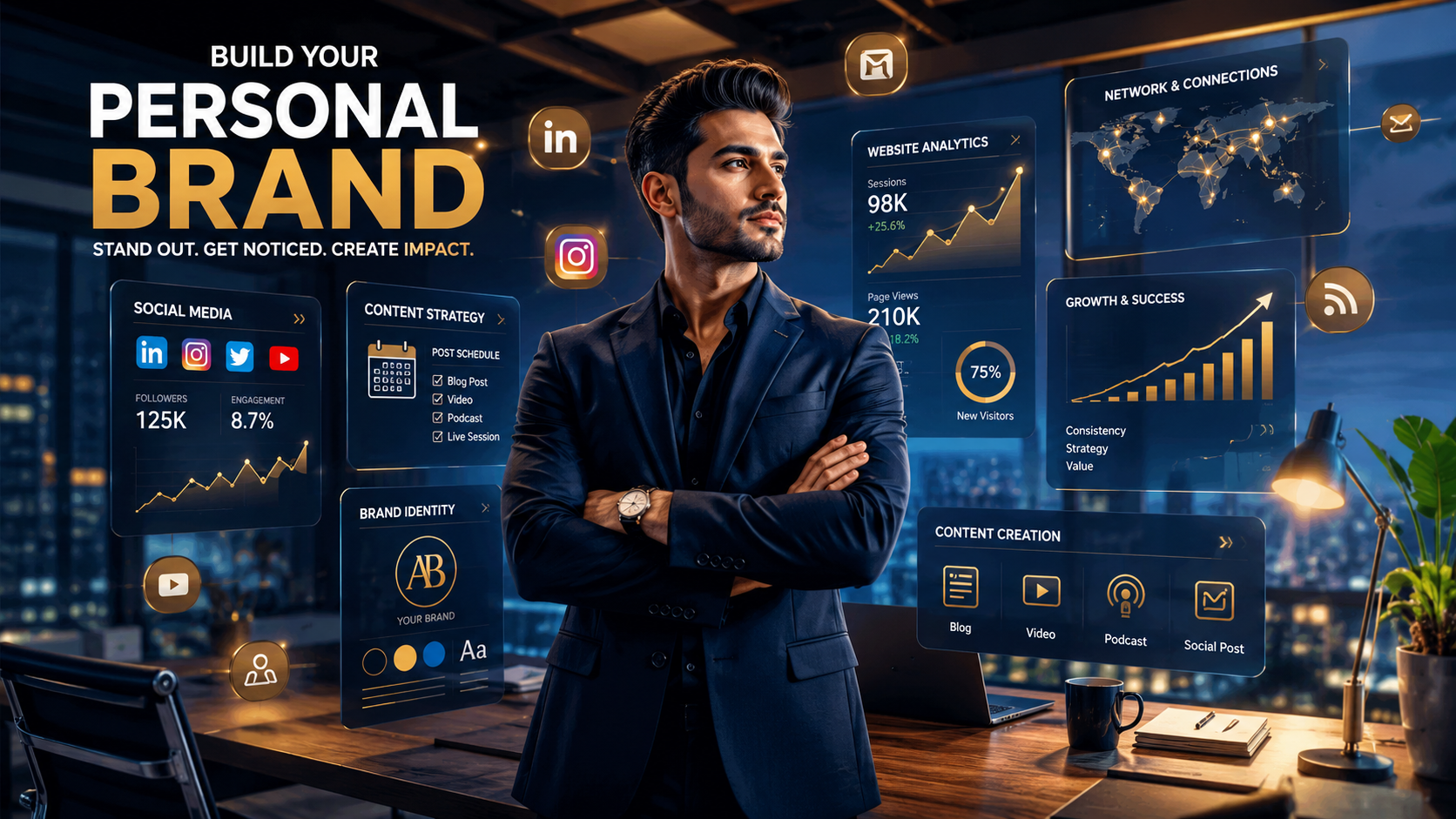
In a crowded digital landscape, standing out requires a unique identity. Influencers who develop a recognizable personal brand often achieve greater long-term success. A strong personal brand communicates expertise, values, personality, and consistency across all content.
Whether known for educational content, entertainment, fitness advice, or lifestyle inspiration, influencers who establish a clear niche are more likely to attract dedicated followers and premium brand collaborations.
The Financial Side of Influencer Marketing
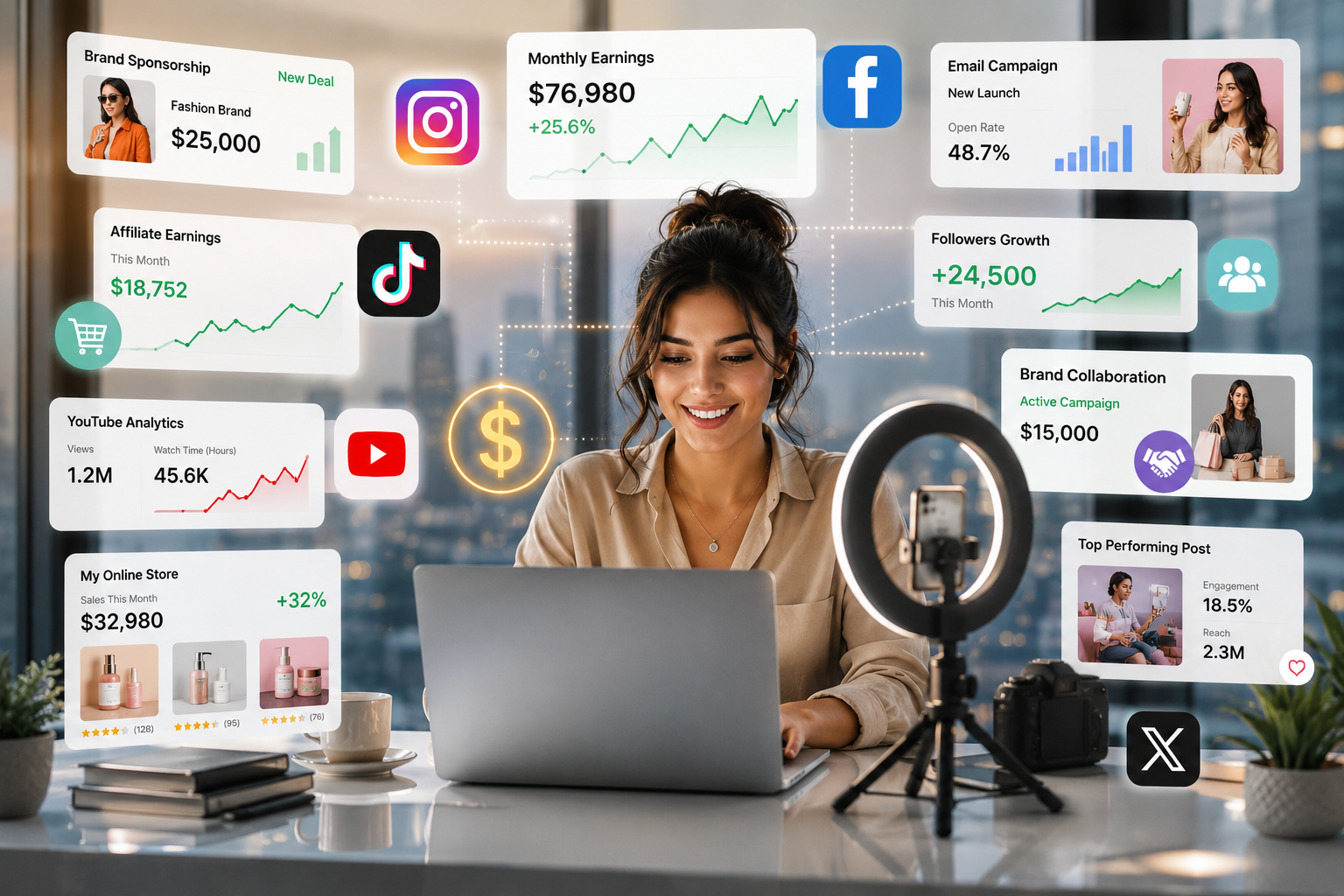
Although top influencers can generate substantial income through sponsorships, affiliate marketing, merchandise, and digital products, financial stability is not guaranteed. Income can fluctuate based on platform performance, market trends, and brand demand.
Successful influencers diversify their revenue streams to reduce risk and create sustainable businesses beyond social media platforms.
Technology’s Growing Impact
Artificial intelligence, advanced editing tools, augmented reality filters, and content automation are reshaping the influencer industry. Creators who embrace emerging technologies can improve efficiency, enhance audience experiences, and maintain a competitive edge.
Technology continues to create new opportunities for content innovation, helping influencers connect with audiences in increasingly immersive ways.
The Future of Influencer Marketing
The influencer industry is expected to continue growing as brands prioritize authentic connections with consumers. Micro-influencers and niche creators are becoming increasingly valuable because of their highly engaged communities and trusted relationships with followers.
Future success will depend on adaptability, transparency, creativity, and the ability to build genuine connections in an ever-changing digital environment.
Conclusion
The life of a social media influencer is far more complex than it appears on the surface. Behind the glamorous photos and viral videos lies dedication, strategy, creativity, and resilience. Influencers must balance content creation, brand partnerships, audience engagement, mental well-being, and business management simultaneously. Those who succeed are not simply content creators—they are entrepreneurs, marketers, storytellers, and community builders. As social media continues to evolve, the influencers who prioritize authenticity, innovation, and meaningful relationships will remain at the forefront of the digital world.